RTI’s technical training is built on our experience and the vast array of knowledge of our trainers, who have worked as operatives within the railway engineering industry for many years.
Our trainers are conversant with all engineering disciplines found within the rail and associated industries.
The technical training that RTI offers falls into the following categories:
Systems Training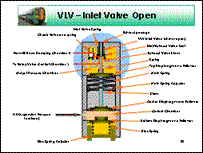
- New and replacement rolling stock or system modifications
- Detailed courses include relay, micro processor logic, diesel and electric power control, pneumatic and hydraulic brake valve operation
- Courses aimed at technician and engineer level
Pneumatic Valve
Stock Familiarisation Training 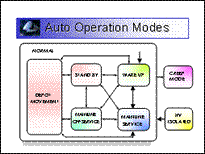
- Overview of rolling stock system operation
- Target Audience: Managers or staff new to the industry
- Documents of block diagrams and flow charts with narrative
Block Diagram
Fault Finding Training
- Methods and techniques required for quick and efficient fault finding
- Tailored for a specific rolling stock class or for rolling stock in general
- Covers Depot or Line of Route fault finding
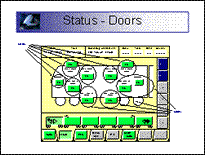
Door Diagnostics
Schematic Drawing Reading
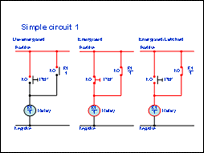
- Interpret all types of schematic drawings
- Covers electrical, electronic, pneumatic, hydraulic and mechanical schematics
- Tailored for clients rolling stock systems schematics
Simple Schematic
Preventative, Corrective and Overhaul Maintenance Training |
Maintenance training courses are practical-based and, in most cases, follow the client’s in-house maintenance procedures and instructions. Practical demonstrations of specific maintenance tasks are carried out by the trainer, thus providing delegates with the necessary skills to carry out maintenance.
Preventative and Corrective Maintenance Training
- Covers step by step instruction of preventative and corrective maintenance
- Prepares delegates towards competence assessment for National Occupational Standards
Overhaul Training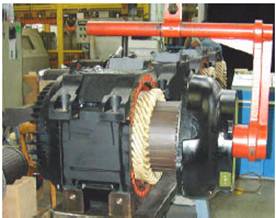
- Practical-based, covers the removal, refitting, dismantling and assembly of major rolling stock equipment
- Provides necessary skills to use special tools and methods required for overhaul
- Post-overhaul testing and commissioning
|
|